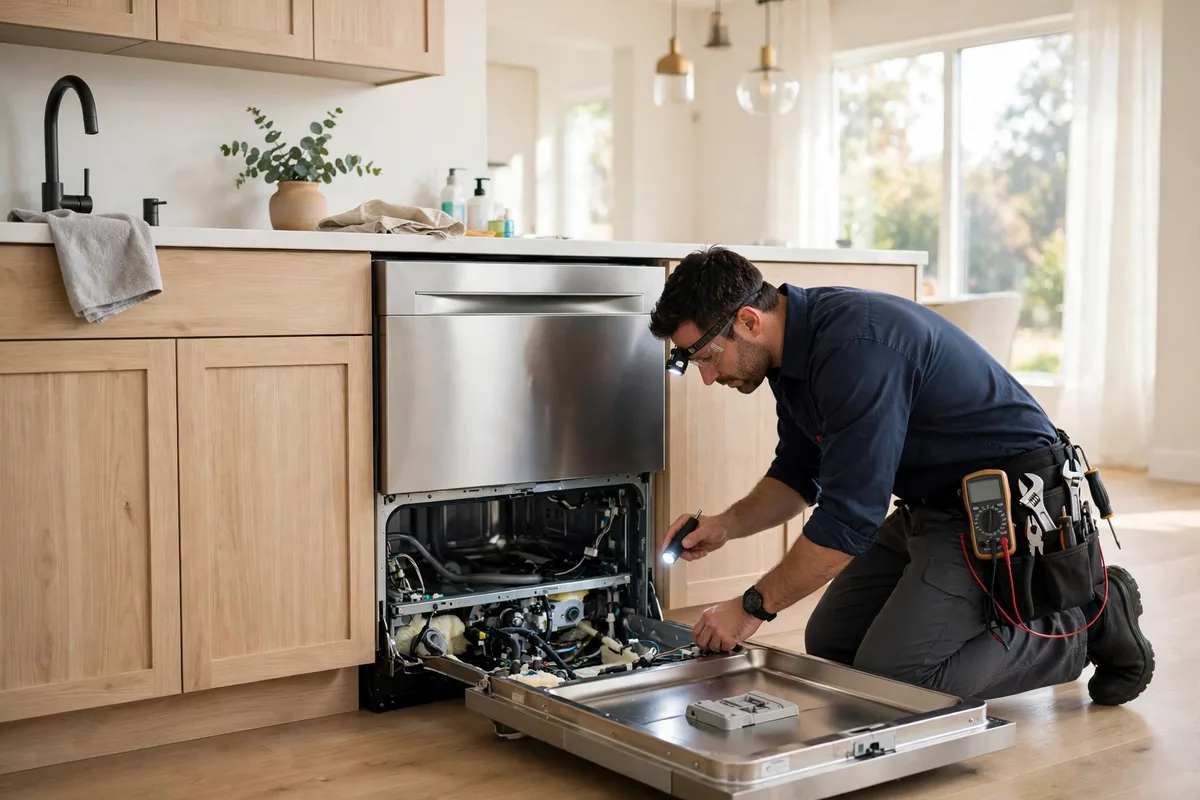
What to Prepare Before Requesting Appliance Repair
Preparing for an appliance repair visit means clearing access to the appliance, noting the symptoms and when they started, and having the model information ready. Clear a path to the unit, move items stored around it, and write down what you observed, including sounds, smells, and error messages. A little preparation helps the repair professional reach the unit safely and diagnose the problem more quickly.
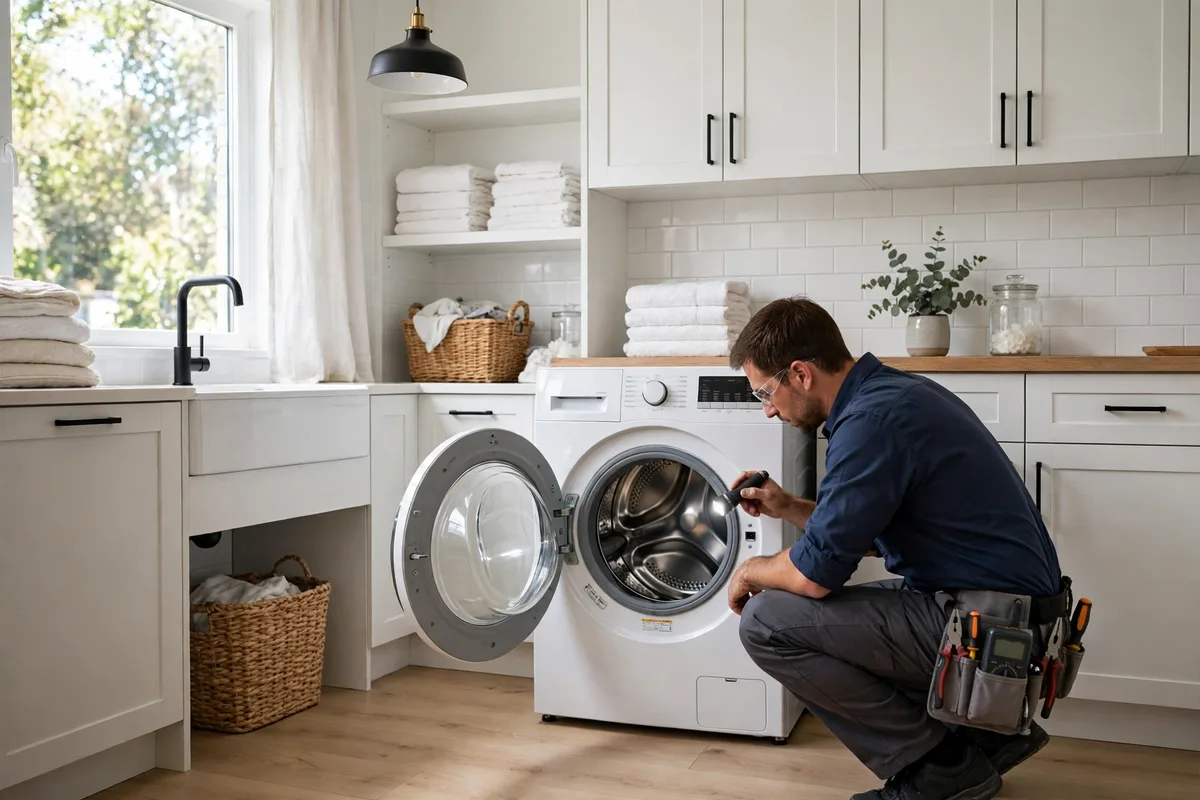
A repair visit goes more smoothly when the professional can reach the appliance, see the problem clearly, and learn what happened before the visit. Most of the preparation takes only a few minutes, and it can save time during the appointment itself. This guide covers access, information, safety, and what to do with food, laundry, and dishes while you wait.
Clear Access to the Appliance
Clear a path from the entrance to the appliance, and move items stored on, around, or in front of it. For a refrigerator, clear the top and the space around the doors. For a washer or dryer, clear the laundry area and move baskets, detergent, and cleaning supplies out of the way. For a dishwasher or oven, clear the counters and the floor in front of the unit.
Make sure the professional can open doors, pull out drawers, and reach the back of the unit if needed. If the appliance is in a tight space, move nearby furniture or storage a little farther back. Pets should be kept in another room during the visit, so they do not slip out an open door or get underfoot while parts are being handled.
Note the Symptoms and When They Started
Write down what you observed before the visit. Note when the problem started, whether it happens on every cycle or only sometimes, and what changed just before it appeared, such as a power outage, a move, or a new installation. Note any sounds, such as clicking, buzzing, or grinding, and any smells or leaks.
If the appliance shows an error message or a blinking light, write down the exact message or count the blinks if you can do so safely. Take a short note of the brand, model, and serial number, which are usually on a label inside the door, on the back, or in the use and care guide. Having that information ready helps the professional identify the correct parts for the model.
- Note when the problem started and whether it happens every time
- Record sounds, smells, leaks, and any error messages
- Have the brand, model, and serial number ready
- Mention any recent changes, such as a move or a new installation
Food, Laundry, and Dishes Before the Visit
For a refrigerator or freezer that is not cooling, move perishable food to a cooler with ice or to another working unit before the visit, and discard food that has been held at an unsafe temperature for an extended period. Empty the ice bin if the ice maker is being inspected, so the professional can see the mold and ejector arm clearly.
For a washer, remove laundry from the drum if you can do so safely, and leave the door open briefly to air it out if there is standing water or an odor. For a dishwasher, remove dishes and racks that block access to the filter and spray arms. For an oven or stove, remove cookware and items stored inside the oven, and confirm the unit is cool before the visit.
Safety and Practical Details
Turn off the appliance if it is making unusual sounds, smells of burning, or leaking water, and unplug it only if it is safe to do so. Do not attempt to remove panels, disconnect water lines, or move a heavy appliance yourself to prepare for the visit. If you smell gas, leave the area and contact your gas provider or the appropriate local service before doing anything else.
Confirm who will be home during the visit, and keep a phone nearby in case the professional needs to confirm directions or arrival time. Keep the use and care guide within reach if you have it, since it often lists the model information and the meaning of error messages. If the appliance is under a warranty from the manufacturer or retailer, have the paperwork ready to share.
What to Expect During the Visit
During the visit, the repair professional will usually ask about the symptoms, inspect the appliance, and run a test cycle to see the problem firsthand. The professional should explain the cause in plain terms and describe the repair options before any work begins, including which parts are involved and what the next steps are.
Ask questions if anything is unclear, and note the explanation for your own records. After the visit, keep the notes about the cause and the work done, since they are useful if the problem returns or if another appliance needs attention later. A clear record also helps you compare repair and replacement if that question comes up in the future.
Frequently Asked Questions
What information should I have ready before a repair visit?
Have the brand, model, and serial number ready, along with a note of when the problem started, whether it happens every time, and any sounds, smells, leaks, or error messages you observed. That information helps the repair professional identify the correct parts and diagnose the problem more quickly.
Should I empty the appliance before a repair visit?
Remove food, laundry, or dishes that block access to the parts being inspected, and move perishable food to a cooler or another working unit if the appliance is not cooling. Leave the interior clear so the professional can open doors, remove racks, and reach the filter, spray arms, or drum without moving your belongings first.
Do I need to move the appliance before the visit?
No, do not move a heavy appliance yourself. Clear a path and the space around the unit, and let the repair professional handle moving it if access to the back is needed. Moving it yourself can strain water, gas, or drain connections and can damage flooring.
What should I do if I smell gas before a repair visit?
If you smell gas, do not operate electrical switches, do not light anything, and leave the area. Contact your gas provider or the appropriate local service for guidance before doing anything else. Mention the gas smell when you request help, so the visit is planned with that in mind.
Should I be home during the repair visit?
Yes, an adult should be home during the visit to describe the symptoms, answer questions, and hear the explanation of the cause and the repair options. Keep a phone nearby in case the professional needs to confirm arrival time or directions.